
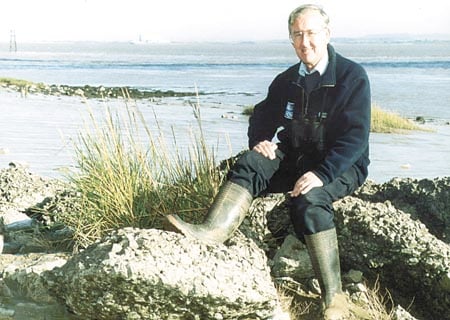
HUGE numbers of wading birds that overwinter in the Severn Estuary could be lost for somewhere to land if global warming raises water levels to permanently cover marshes and mud flats.
However local Royal Society for the Protection of Birds reserves warden Ivan Proctor says the Severn could fare better than other rivers because of the huge difference in levels of spring and neap tides.
"Some of the salt marsh areas are only covered by water on the very highest of spring tides," he said.
"I believe we're always going to have some marshes if the seas rise – we're just going to see these areas getting pushed further and further. In some areas that means prime agricultural land might be at risk."



The RSPB has issued a warning on the threats of global warming in estuary areas ahead of a meeting this week of European environment ministers in Marrakesh to discuss climate change.
"New areas of salt marshes and mudflats equal to two thirds the area of the Severn Estuary will need to be created around the UK by 2050 just to replace habitats lost to rising sea levels," the RSPB states.
"We urge the government to keep pressing the international community for big reductions in greenhouse gas emissions."
Around 2,000 redshanks and 40,000 dunlin, as well as tens of thousands of other birds, travel to the estuary each winter to escape harsh weather in the Arctic.
•The first of this winter's Bewick swans which annually visit the estuary landed at the Wildfowl and Wetlands Trust, Slimbridge, last week.