
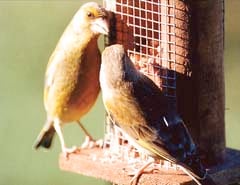
THE parasitic plague which decimated local populations of finches and other garden birds two years ago has returned.




Numbers of greenfinches have been found dead in the Monmouth area and in gardens bordering the western edge of the Forest. Bullfinches and sparrows are also being affected.
Two years ago it is thought that the outbreak accounted for a significant number of the local flock of greenfinches. Forest bird expert Ivan Proctor sa«id that on his own feeders at Ellwood, near Coleford, the greenfinch population had been decimated.
The Royal Society for the Protection of Birds say the outbreak happens in autumn. Greenfinches are the usual victims of the parasite which lives in the upper digestive tract blocking the throat and eventually making it impossible to swallow. Birds then die of starvation.
Affected birds show signs of general illness, for example lethargy and fluffed up plumage. They may also drool saliva, regurgitate food, have difficulty in swallowing or show labourred breathing.
Experts say bird lovers should temporarily stop putting out food, except in tit feeders. Bird baths should also be left dry for around two weeks. This is to discourage birds from congregating which may increase the potential for the disease to spread.
Comments
This article has no comments yet. Be the first to leave a comment.