
IS a tree alive when it's dead?
With the new British standard recommendations for tree safety inspections soon to be published there is a real danger that tree owners may have perfectly healthy trees felled on safety grounds rather than have them inspected regularly by qualified professional tree inspectors.
In today's climate of claim and compensation, who can blame them? The Health and Safety Act, the Landowners and Occupiers act and the no win – no fee lawyers have all contributed to turning a walk in the park into a compensation claim for tripping over a leaf.
But when a tree is felled it is not just the tree that has disappeared. Think for a moment about the loss of habitat for wildlife at a time when many wildlife species are already experiencing a rapid rate of decline. When trees are felled we increase that rate of decline by removing a vital food source and habitat. So what can we do?

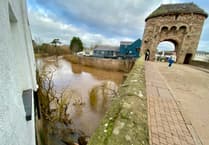


Having had the opportunity to contract for the Woodland Trust I have seen for myself the increase and diversity of species in our local woodlands where the policy is to retain dead standing trees which are a safe distance from the roads and footpaths, leave dead branches in tree canopies where possible and leave fallen trees on the woodland floor for habitats instead of being dragged off to the sawmills.
Woodlands around Monmouth such as Cadora, Bigsweir and Priory Grove woods are abundant with wild flowers, birds and animals which is largely the result of sensitive tree management. To walk through them in spring and summer when the woodland is at its most beautiful is fantastic.
Of course, there is a level of risk in everything we do including walking or driving beneath tree canopies. But we do these things because the benefit outweighs the risk. The reasonable level of risk of walking through these woodlands has been created through regular tree safety inspections and managing the trees sensitively to retain the beauty and bio-diversity of the woods as a whole. The benefits are obvious, fitness, relaxation, walking the dog or peace and quiet.
But is it the same for trees in our town gardens? The answer is yes.
There is a reasonable level of safety which should be applied to trees but within that safety level is the opportunity to manage trees sensitively to reduce the hazard risk whilst retaining vital habitats. Obviously there will be times when felling a dangerous tree is the only option but in my experience of garden trees that rarely needs to happen.
Usually only minor pruning is needed to attain a reasonable level of safety and retain the tree. The benefits to wildlife would be endless – "A tree is alive, even when dead!"
For more information on tree risk and conservation please contact me on 01600 772294 – Steve Wadley, Monmouth Tree Services.