
I SHOULD like to make the following points in response to the second letter of your correspondent Tyler Chinnick (writing, I note, from Wales where prescriptions are free, unlike, for example, in the Forest of Dean):
1. Britain/the UK is a parliamentary democracy in name only, and has been so for many years. It is better described as an oligarchy, run for the benefit of the Conservative and Labour parties, who between them possess some 500 rotten boroughs or fiefdoms. It is evident from the letters of many of your correspondents that the language of democracy is in many important issues (e.g. the building of unwanted houses in Lydney) meaningless verbiage. The corruption of British politics is obvious to everyone, and surely a source of profound dismay to many.
2. The House of Commons is entirely unrepresentative of the will of the people. Again, this is obvious and is a direct result of an unfair voting system. Naturally the two main beneficiaries of this corrupt system will do nothing to change it. Labour and Conservative parties in effect colluded in an unjust and illegal war in Iraq, and were able to ignore the extra-parliamentary protests of over a million citizens. As for the disastrous war in Afghanistan, there was no discussion of any consequence in parliament.
3. An English parliament might, at least, represent English interests in health and education.


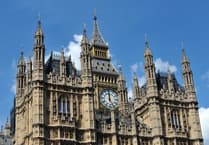

4. The British are always at war. They always find somewhere else to fight, even after a 38-year war in Ireland (1968-2006). Sometimes it is Kosovo, then Iraq, then Afghanistan. Was not the destruction of two generations of English manhood in 1914-1918 and 1939-1945 sufficient to deter us from the unthinking act of going to war as an instrument of policy? It is not in the interests of England to go on fighting war after war, year in and year out. England indeed could be transformed by a period of peace.
5. What is the evidence for England as 'the driving force of the union'? The Labour governments of 1997, 2001, and 2005 have been dominated by Scots and Scottish (and Welsh) interests. The same is true of the period 1914-1922. The English voted for Irish Home Rule in 1910, but their will was systematically ignored by the governments under Lloyd George (dominated by Scottish Tories).
6. I do not think of issues merely in terms of left and right. A British democracy is stable when one might contemplate with some equanimity governments of left or right, acting in the national interest. This, unfortunately, is no longer the case. – Gerald Morgan (Lydbrook School; English Parliamentary Party).