
IN the past I have enjoyed holidays at a seaside resort with my family.
I would like you to imagine the scene on any beach during midsummer. One might watch the progress of a distant ferry boat or be intrigued by the colours of the sea. I would watch the children at play, splashing in the waves or building sand castles etc. I think you can easily imagine such a typical scene – all wonderfully diverting entertainment. Many people visit the seaside for such enjoyment and it costs nothing. They go to the seaside for the spirit of the place. We must, of course, set against such pleasure the cost of the hotel, or in my case, bed and breakfast accommodation – a cost I can meet, perhaps once a year. Notice, the cost of the holiday is for the accommodation only, the enjoyment costs nothing.
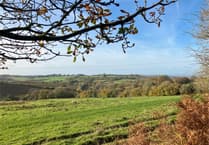
Now let's enter one of our national forests. It doesn't have to be midsummer; any time will do, as its delights are not seasonal. Here we can enjoy the trees and the landscape, the different hues and smells and shapes of the leaves, of conifers or broadleaves. We can wonder at the birds and animals and our minds can wax lyrical in a poetic sort of way about the magic or science of it all. I could involve myself in the cultural or historic interests of the area. On the other hand I might choose to walk, jog, cycle, ramble, camp, picnic, go fishing, badger-watching, bird-watching or orienteering. Others might choose to go horse-riding, canoeing, swimming or climbing. I am not interested in husky dog racing or car rallying, but they are also activities that take place in our forests. I am more likely, after a good walk, to find a mossy bank and indulge in my hobby of sketching.
I have been involved many times in taking children into our Forest of Dean on educational visits – children who are much more used to sitting in front of a computer and I am acutely aware that it is vital that they appreciate and learn about the natural world if they, in their turn, are to care for it. Indeed, it is their legacy we are seeking to protect.

There are about 60 specialist activities that take place in our national forests, very many more than at any seaside resort.
But I digress. We must set out the cost of all these activities and pleasures. It amounts to 30 pence per taxpayer per year. The price of a postage stamp (2nd class). For the cost of 30 pence per head, what a stupendous social gain! What incredible value our forests are! We should have many more!
You see, the huge benefits that we derive from our forests, though so enormous, never go on a balance sheet. All for the price of a postage stamp, (2nd class).
The enjoyment of seaside resorts is largely seasonal while the national forests are accessible at any time at present. They are visited by an estimated 50 million people each year costing 30 pence each person for the entire year – pretty good value I would say. They go for a multitude of reasons. I can think of no other free diversion (or costly one for that matter) that delivers such wonderful rewards.
If our woods were not there, there would be more pressure on our health services. It is a case where the uncosted benefits out-perform the financial value of timber production.
Now, the enjoyment of our forests depend on the professional and sympathetic care of the Forestry Commission who provide permissive access, car parks, information centres etc. etc. for the cost of a postage stamp (2nd class).
I understand that part of the Forestry Commissions remit is to provide for public amenity and conservation etc.
In the forefront of the mind of a private speculator must be profit. Therefore it is easy to see that the multitude of benefits, social, physical and therapeutic etc. would inevitably be severely compromised, even under the most understanding of private owners.
The Government, I'm afraid, has entered the woods, as it were, without rational thought, and very little knowledge, and consequently it is utterly lost.
– Bernard Kear, Forest of Dean.
Comments
This article has no comments yet. Be the first to leave a comment.