
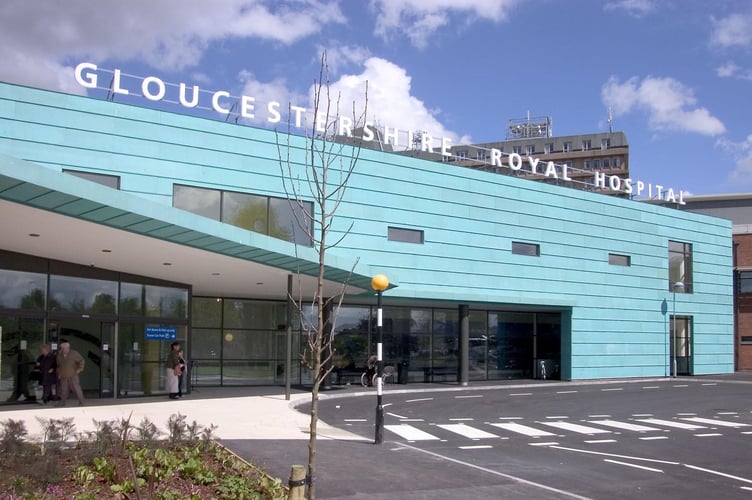
MEMBERS of Unison rejected offers that would have ended the longest strike in NHS history.
A total of 37 phlebotomists, who specialise in drawing blood, walked out of hospitals in the county in March last year over a dispute regarding pay.
The union balloted two options to end the 300-day strike which would have included a one-off payment for lost back pay. The first was for the national Job Evaluation Group panel to convene an independent panel to review the role to determine its banding.
The second was for a new Band 3 Phlebotomy Outpatient Health Care Support Worker role with better pay, a one-off payment to recognise the length of the strike, enhanced training, career development, and improved facilities.

Tim Roberts, South West Regional Secretary for Unison, told the BBC: "Phlebotomists remain hopeful that progress can be made through these discussions so that they can return to the job they love."
An NHS Gloucestershire Hospitals Foundation Trust spokesperson said: “On behalf of the phlebotomists, UNISON is now requesting that the Trust re-band the phlebotomy roles to Band 3 and provide five years of back pay.
“They are also seeking a commitment from the Trust to protect these roles and the delivery of phlebotomy services for a minimum of 24 months, despite the improvements for patients seen since the strike began.
“This is surprising and disappointing as both options reflected what was agreed with the phlebotomy representatives and Unison prior to the vote and the demand is outside of any normal process that governs the pay or terms and conditions for NHS staff.”
Concerns are growing that the lack of resolution means more uncertainty for patients who have conditions that make it difficult for blood to be taken.
The dispute continues following the unusual rejection by union members despite a recommendation by Unison to accept the proposals.
Comments
This article has no comments yet. Be the first to leave a comment.