
MEN and women of all ages who have been living rough in the Forest are heading for refuge in Gloucester as winter begins to bite.
There, the county's only emergency night shelter is bracing itself for the influx – and finding the reality far more complex than the picture painted this week by the Government's new 'homelessness tsar'.
Louise Casey, who was appointed to head the Rough Sleepers' Unit earlier this year, upset homelessness charities this week with her views that the "culture of kindness" was encouraging people to sleep rough.
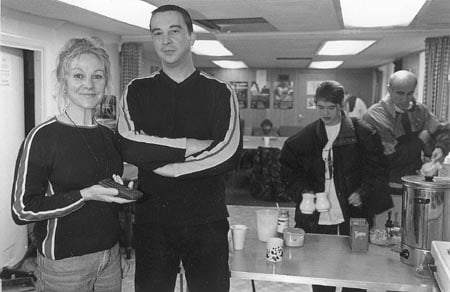
Brian Jones, who is a project coordinator for the Gloucestershire Emergency Accommodation Resource (Gear), condemned Ms Casey's remarks as "simplistic" and said few people were homeless from choice.



"I have worked in the field for almost 25 years and like most fellow homelessness workers regard Ms Casey's target to reduce the number of people living on the streets by two thirds is virtually impossible.
"You can't tackle the problem by just chucking beds at people. We are talking about people with multiple problems – mental health and care in the community, drugs, alcoholism. Unless you provide proper facilities to help them just providing a bed is pointless."
Gear is pressing for health care, detoxification and counselling to be provided at its shelter (the only one in Gloucestershire) and day centre rather than sending them out to these agencies all over the city.
They could then start putting their lives back together and taking steps towards being in charge of their own futures.
He also condemned the method of providing funding by a head count of the numbers of people sleeping rough in shop doorways and parks.
Apart from anything else this would not be possible in an area like the Forest where it was hard to say how many people lived rough in 'bendies' or homemade shelters. As a consequence no funding was available for such people until they appeared on city streets.
Mr Jones and fellow workers Nicky Bale and Adam Watts said it was impossible to tell just how many people lived rough in the Forest but the winter influx in Gloucester was significant.
And it was not futile to take time and trouble to help people – he recalled one man who he persuaded to come out of the Forest who could hardly walk and who needed treatment for paranoid schizophrenia and TB but was recovering with their help. He would otherwise have died.
Gear and similar charities also fear that rocketing house prices are threatening to pitch people onto the streets in numbers not seen since the housing boom of the late 1980s.
•Next week Bob Smyth will write in the Review about Gear's homelessness work.