
WHILE much justifiable coverage has been given to the recent anniversary of Dunkirk, it should not be forgotten other sacrifices in action helped shape the outcome of the Second World War.
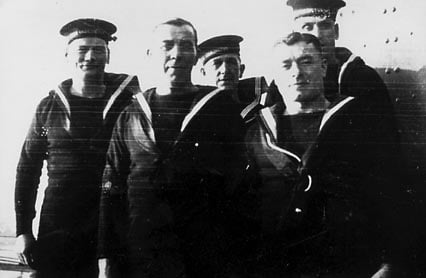
For example, Lydney sailor Fred (Lofty) Barnett was among the 1,515 souls lost when the deadly German battlecruisers Scharnhorst and Gneisnau sank our aircraft carrier HMS Glorious along with destroyers Acasta and Ardent on June 8, 1940.
Stoker 1st Class Barnett was on HMS Acasta and fellow crewman Nick Carter – the lone British survivor of the whole action – had just loosed a torpedo which was to send the Scharnhorst scuttling home for repairs.
But for being hit the Scharnhorst would have turned its huge firepower on the convoy the three ships were heading – nothing less than the fleet carrying out the evacuation of Norway, including its king.
_edited.jpeg?width=209&height=140&crop=209:145,smart&quality=75)


Fred had been unlucky to be aboard Acasta. A crewman of the destroyer HMS Codrington, he had been home on compassionate leave after one of his sons, Johnny, three, had died of double pneumonia.
Going back he found Codrington had sailed and he was sent instead to Acasta. Little is known of the last minutes of the Acasta other than Nick Carter's report that the ship's captain wished all those who had jumped for it good luck, calmly lit a cigarette and went down with the vessel.
Fred's surviving family, daughter Betty and sons George, who still lives in Lydney, Fred and Keith, last Saturday attended a memorial service in Plymouth with their spouses and other relatives of all those lost.
It was, says George, a very moving ceremony which included a service, wreath laying and a flypast by a Swordfish aircraft on Plymouth Hoe.
At the War Memorial on the Hoe wreaths were laid on behalf of the family and grandchildren George and Jacqueline Poole.