

A PIONEERING centre which was at the forefront of the new science of the time – ecology – is celebrating 40 years of teaching in the wilderness.
The Wilderness Centre near Mitcheldean opened to residential students in September 1969 in the wake of a very new concern for the environment sparked by books like Rachel Carson's Silent Spring.
"It was a very forward thinking move. Very much ahead of its time," says Vanessa Griffiths, acting team leader for environmental education.
"Young people have now been coming here constantly for 40 years at the rate of about 2,000 a year. A lot of local people have been through these doors so there are a lot of memories. There's even a Facebook site called 'I've stayed at the Wilderness Centre'".

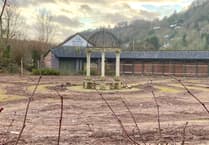

The history of the Wilderness before it was used for environmental and outdoor education is remarkably varied, ranging from being a genteel family seat to an isolation hospital for Forest children suffering from Diptheria and Scarlet Fever.
Its name harks back to 1018 when it was described as the "Wylderne" after the early Iron Age Silures tribe had hacked down the forest for iron working, and left it as a scrubby wilderness. The area was seen as so poor it was excluded when the boundary of the Royal Forest was drawn up.
"Logically we should have been included in the Royal Forest," says Vanessa. "But the boundary does a little skirt around us."
In the sixteenth and seventeenth centuries the Wilderness became the seat of the Colchester family, then in 1884 a sanatorium for women. After that closed in 1919, the East Dean and District Joint Hospital Board opened the isolation hospital, which metamorphosed into a geriatric hospital before Gloucester County Council bought the estate as a study centre in 1968.
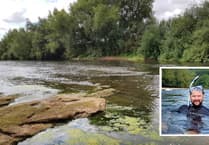
Today's students now study in five acres of woodland, 30 acres of ancient pasture and have the opportunity to go canoeing and abseiling around the Dean and Wye.
"And we still do pond dipping, just as they did back the 1970s", says Vanessa, adding: "Although they don't do it with bare feet any more."
Comments
This article has no comments yet. Be the first to leave a comment.