
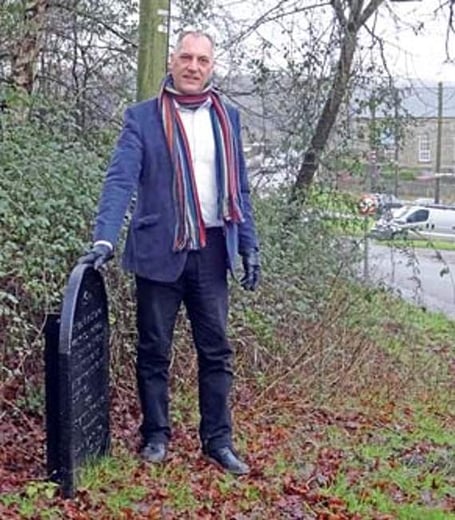
FOUR unique cast iron markers discovered in undergrowth alongside Forest of Dean roads have been saved for all time and granted Grade II-listed status.
Around the turn of the last century the markers were the direction signs of the day, but in the
Forest road-making was complicated by the fact that the Crown owned most of the land.
Rough and muddy tracks were the best most Forest people could expect. But after much agitation and lobbying, Edward Stafford Howard, a newly-appointed Commissioner of Woods and Forests, worked with his local representative, Philip Baylis, the Deputy Surveyor for the Dean, to persuade the Treasury to release money for new roads.

.jpeg?width=209&height=140&crop=209:145,smart&quality=75)

A Dean Forest Highways Bill was passed and this was followed, in 1883, by further acts for East and West Dean which made the Office of Woods responsible for road making and repairs. The following year a road creation programme began.
In 1900 the Commission of Woods agreed to a request by Mr Baylis to allow the new roads to be marked with cast iron tablets as a permanent record of the work carried out by the Crown. Ten are known to have been erected and, remarkably, nine still exist.
The Forest of Dean Local History Society has campaigned for the markers to be listed and the final four were granted protected status last week. All nine are now listed.
•The full story of the Office of Woods’ road-making programme has been researched by History Society newsletter editor Keith Walker and is included in the latest edition of the Society’s annual journal, The New Regard. Copies are available at local outlets or via the society’s website.
Comments
This article has no comments yet. Be the first to leave a comment.