
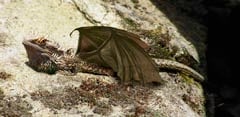
ANYONE interested in wildlife is being asked to keep an eye out and report any sightings of a native lizard about to be reintroduced to the Welsh borders.
Andrew Bluett of Gloucestershire Naturalists' Society says the lizard (draco cambrensis), like the red kite, is a former native species and the reintrodution is part of the Biodiversity Action Plan (BAP) for Wales.
He said: "We have an interest in this reintroduction because we understand the lizard has the capacity to spread quickly and isn't always strictly territorial.
"We in Gloucestershire already see red kites soaring into the county from both east and west, it is only a matter of time before white tailed eagles are seen in the Bristol Channel, so how long will it be before this lizard is seen in the Wye Valley and Forest of Dean?"




The naturalists' society first raised questions about the timing and details of the reintroduction with the Welsh Assembly Government earlier this year.
In a brief statement the Welsh Assembly office responsible for environment and diversity said: "Under section 74 of the Countryside and Rights of Way (CROW) Act 2000, the Welsh Assembly Government must ... take reasonable steps improve the conservation of habitats and species on the list(s) and promote such steps taken by others. We believe this reintroduction proposal is absolutely in line with the need to improve biodiversity under the BAP for Wales."
It is understood specimens of the lizard were discovered close to the slate quarries of Betws-y-Coed in 2001. A limited captive breeding programme has been undertaken close to Port Talbot steelworks and lizards are due to be released at a location in the Cambrian Mountains and borders by the end of this week.
Mr Bluett says Draco are unusual in that they can sustain short periods of flight while, like most cold blooded reptiles, they enjoy warm, even extremely hot locations.
Comments
This article has no comments yet. Be the first to leave a comment.