
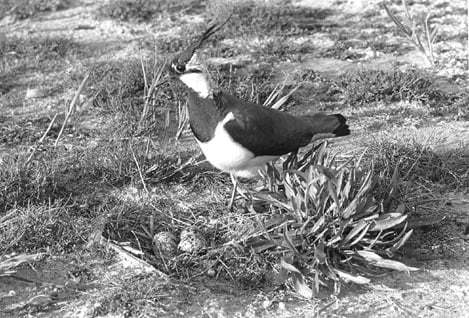
FROM a position of strength 10 years ago the population of lapwings has plummeted so rapidly that the Royal Society for the Protection of Birds believe they face extinction in Britain.
In Wales, says the RSPB, there has been the worst decline of all – 77 per cent – while the West Midlands area has seen a decline of 57 per cent.
Sarah Killingback of Gloucestershire Wildlife Trust says the alarming figures are all too real.
"Ten years ago I can remember seeing flocks of the birds," she said. "The last time I saw one was near Lydney, down by the estuary – normally, there would have been hundreds.




"Most of the problem has been loss of habitat through farming practices. At Gloucestershire Wildlife Trust we will be talking to farmers about this and try to instigate some measures to bring them back."
The black and white birds with their distinctive "pee-wit" call are lovers of open farmland and marsh, but in recent times there has been substantial drainage of wetlands.
There has also been a switch from spring-sowing of cereals to autumn sowing, which means growth is too high for the ground-nesting birds in spring.
Another problem is that pesticides and herbicides kill off the creatures which the growing chicks would normally thrive on.
RSPB spokesman Andrew Walters said: "The lapwing is a much-loved symbol of the Gloucestershire countryside and its decline is extremely alarming."
The organisation's head of research, David Gibbons, said: "The incredible scale of this bird's decline will almost certainly make the lapwing the latest candidate for addition to the red list of birds of highest conservation concern in the UK."