
NEARLY a year on from the death of heavy metal icon Ozzy Osbourne, fans across the world are reflecting on a career that changed music forever.
From pioneering heavy metal with Black Sabbath to becoming one of rock's most recognisable figures, the Birmingham-born singer left behind a legacy that continues to influence musicians more than half a century after his breakthrough. Yet one of the most important chapters in Osbourne's story happened far from the bright lights of the music industry but right here in the Forest of Dean.
Long before Clearwell Castle became one of Britain's best-known wedding venues, its stone corridors echoed not with wedding speeches but with the sound of distorted guitars, thundering drums and one of the world's biggest rock bands trying desperately to save itself.
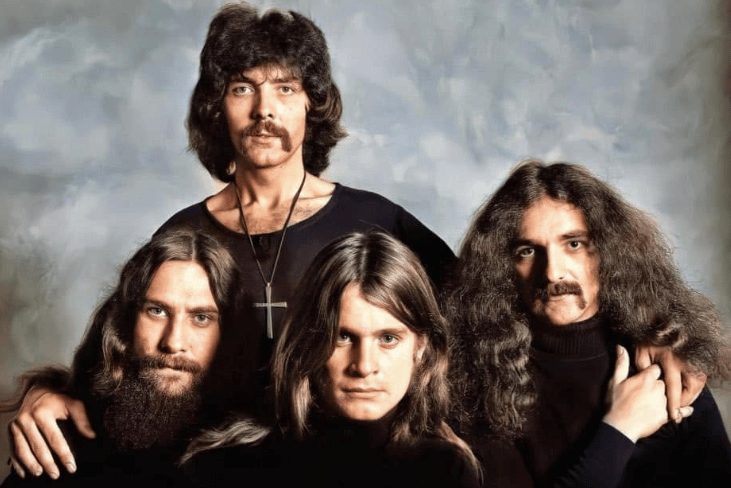
In 1973, Black Sabbath were in crisis. The band had already enjoyed enormous success with albums including Black Sabbath, Paranoid, Master of Reality and Vol. 4. They had helped create an entirely new genre of music and were among the biggest rock acts on the planet. But years of constant touring, recording and excess had taken their toll.
.jpeg?width=209&height=140&crop=209:145,smart&quality=75)

The group travelled to Los Angeles to begin work on what would become their fifth studio album. Returning to the same house where they had written material for the successful Vol. 4, they hoped lightning would strike twice. Instead, they found themselves completely stuck.
Drummer Bill Ward later admitted the band had become exhausted and the pressure fell heavily on guitarist Tony Iommi, who was responsible for much of the band's songwriting.
"Everybody was sitting there waiting for me to come up with something," he later said. "I just couldn't think of anything."
For the first time in years, Black Sabbath looked lost. After a month in California with little progress to show for their efforts, the band abandoned the sessions and headed back to England. Their destination would prove to be one of the most important locations in the history of heavy metal.
They rented Clearwell Castle.
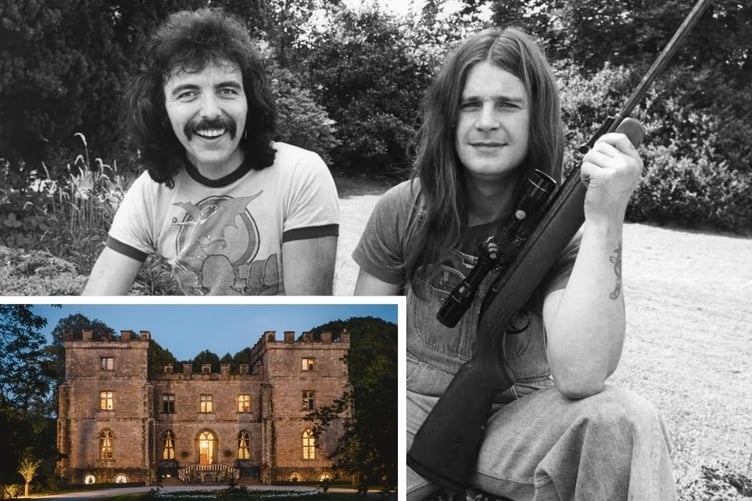
Nestled on the edge of the Forest, the castle offered exactly the opposite of Los Angeles. Instead of sunshine and swimming pools, there were ancient stone walls, dark corridors, hidden rooms and centuries of history. The group moved their equipment into the castle's armoury and dungeons, turning parts of the historic building into an unlikely rehearsal space.
The atmosphere immediately made an impression. Geezer Butler later recalled rehearsing in the dungeons and described the setting as "really creepy" but said it had an atmosphere that inspired creativity.
As the band settled into life at Clearwell, something began to happen. Ideas started returning. The oppressive writer's block that had threatened to derail the album slowly lifted.
While working in the castle, Iommi came up with a new guitar riff. It was powerful, dramatic and unlike anything the band had written before. That riff became the foundation of the song Sabbath Bloody Sabbath.
The effect on the group was immediate. After weeks of uncertainty, they suddenly knew they had found their direction.
Years later, Butler admitted the band had genuinely feared their career might be over before arriving in the Forest.
"We almost thought that we were finished as a band," he said.
Once the title track emerged, everything changed. The songs began flowing again and the album quickly took shape.
But music was not the only thing occupying the band's minds during their stay at Clearwell.
The castle had long been associated with stories of ghosts and unexplained happenings. For a band whose image was built around dark imagery and the supernatural, the tales were impossible to ignore. Before long, members of Black Sabbath claimed to have experienced strange events themselves.
One evening, Osbourne and Iommi were walking through a corridor when they spotted a mysterious figure dressed in a black cloak moving ahead of them. Intrigued, they followed the figure as it entered the armoury.
When they reached the room, nobody was there.
Iommi later recalled telling the owners of the castle what they had seen. Rather than dismissing the story, they reportedly replied: "Oh yes, that's the castle ghost."
Whether the sighting was paranormal or simply the product of tired musicians spending long nights in a centuries-old castle remains a matter of debate. What is certain is that the atmosphere of Clearwell left a lasting impression on the band and became part of Black Sabbath folklore.
Life in the Forest was not all rehearsals and ghost stories. Photographs from the period show the group enjoying themselves around the Wye Valley, taking time away from music to unwind. In one series of images, members of the band can be seen floating along on a makeshift raft. In another, a young Ozzy poses on the banks of the River Wye holding a gun, looking every inch the rebellious rock star of the era.
The pictures captured a side of the band rarely seen today. Far removed from the reality television personality many younger fans came to know, this was Osbourne at the height of Black Sabbath's wildest years.
The band's adventures often continued in Clearwell village itself. According to former crew members, evenings frequently involved visits to the Wyndham Arms before returning to the castle carrying generous supplies of cider.
One notorious night almost ended in disaster.
After a heavy drinking session, Osbourne built up a large fire in one of the castle fireplaces before eventually falling asleep nearby. Hours later, his companions awoke to the smell of smoke.
The carpet around him had caught fire and his flared trousers were reportedly burning.
Quick-thinking friends threw leftover cider over the flames, extinguishing them before serious injury was caused. They then hurriedly concealed the damage by turning the carpet around and hiding the burnt section beneath furniture.
The incident perfectly summed up the chaotic lifestyle that surrounded Black Sabbath during the 1970s. Yet somehow, amid the drinking, ghost stories and near disasters, they produced one of the greatest albums of their career.
Released on November 30, 1973, Sabbath Bloody Sabbath represented a major evolution in the band's sound. The album retained the heavy riffs that had made Black Sabbath famous but also introduced keyboards, synthesisers and more ambitious arrangements. Critics who had often dismissed the band suddenly took notice.
The album was acclaimed by fans and reviewers alike and eventually achieved platinum status in the United States. More than five decades later, it remains one of the defining records of heavy metal.
For Forest residents, the story represents a remarkable local connection to music history. Without Clearwell Castle, Black Sabbath may never have overcome the writer's block that threatened their future. Without the castle's dungeons and corridors, one of the genre's most celebrated albums might never have been recorded.
And without the strange cloaked figure reportedly seen wandering through the building's hallways, the story might never have become one of rock music's most enduring legends.
Today, visitors arrive at Clearwell Castle for weddings and celebrations, often unaware of the extraordinary history hidden within its walls. Few realise that the same rooms once housed Black Sabbath at a pivotal moment in their career. Fewer still know that one of the most influential albums in rock history owes part of its existence to a haunted castle in the Forest of Dean.
Nearly a year after the death of Ozzy Osbourne, that connection remains one of the Forest's most remarkable claims to musical fame.
Comments
This article has no comments yet. Be the first to leave a comment.