
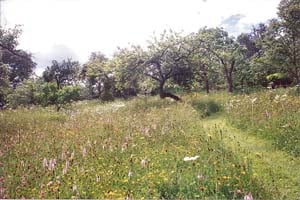
EXPERTS have identified a total of 170 different plant species in grassland owned by members of the recently formed Dean Meadows Group.
The botanists discovered an average of 44 species in each of the 22 sites they surveyed. The discoveries included 53 species of conservation value.
Three sites included examples of the nationally important green winged orchid. Others had ladies tresses or common spotted orchids.
Formed just over a year ago following a public meeting in Westbury, the Dean Meadows Group now has over 50 members.
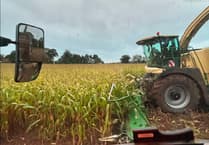

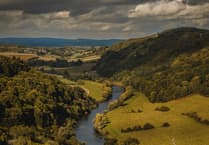

A spokesman said: "Meadows are, of course, special plant communities that develop to thrive under traditional management. The most important thing is to leave the grasses and flowers to grow and seed before the hay is cut.
"Usually meadows should be left until mid July so that hay can be taken off for animal fodder but seed is left for the plants to survive. After the hay has been cut meadows are usually grazed by sheep or cattle.
"Traditional meadows are ecologically important as the undisturbed soil stores carbon, they are rich in biodiversity and are important for many insects such as hoverflies, butterflies and moths and for birds. Once lost a meadow would take many many years to restore, rather like an ancient woodland they are almost irreplaceable. Meadows are an important part of our food supply chain and can provide good local meat and dairy produce."
Meadows Group members include meadow owners, others with a small piece of land and some with an interest in wild flowers.
During the past year the group provided meadow seed to members and held sheep management training and a hedge laying course.
Members worked with Westbury Church of England School to clear a small site and plant seed for a new meadow and also mowed grass in Flaxley churchyard to encourage more wildflowers.
The group's next meeting is at the West Dean Centre, Bream, next Friday (7.30pm). There will be a talk on meadows by Rob Jarman.
Comments
This article has no comments yet. Be the first to leave a comment.